Timberwolves, Grizzlies Both Want Out of the Western Conference
NBA expansion is forcing a conference realignment conversation, and Minnesota and Memphis are reportedly the leading candidates to make the move east.
The NBA’s expansion plans are about to scramble the conference map, and two Western Conference teams are already positioning themselves to get out.
With Seattle and Las Vegas both located firmly in the western half of the country, adding franchises in those cities would leave the Western Conference overloaded. Someone would have to move east to balance the conferences at 16 teams each. According to reporting from The Athletic, the Minnesota Timberwolves and Memphis Grizzlies are the most likely candidates to make that jump, with the New Orleans Pelicans also remaining in the conversation.
CBS Sports covered the realignment debate in detail, and the reasons both franchises want out of the West go well beyond competitive convenience. Travel is a genuine burden. One projection of this season’s total mileage puts only the Miami Heat in the top half of league-wide travel, with every other spot in that upper tier occupied by a Western Conference team. That same projection has the Heat crossing 24 time zones while every Western club crosses at least 36. Minnesota and Memphis, despite both sitting east of the Mississippi River, are currently stuck making those long western hauls.
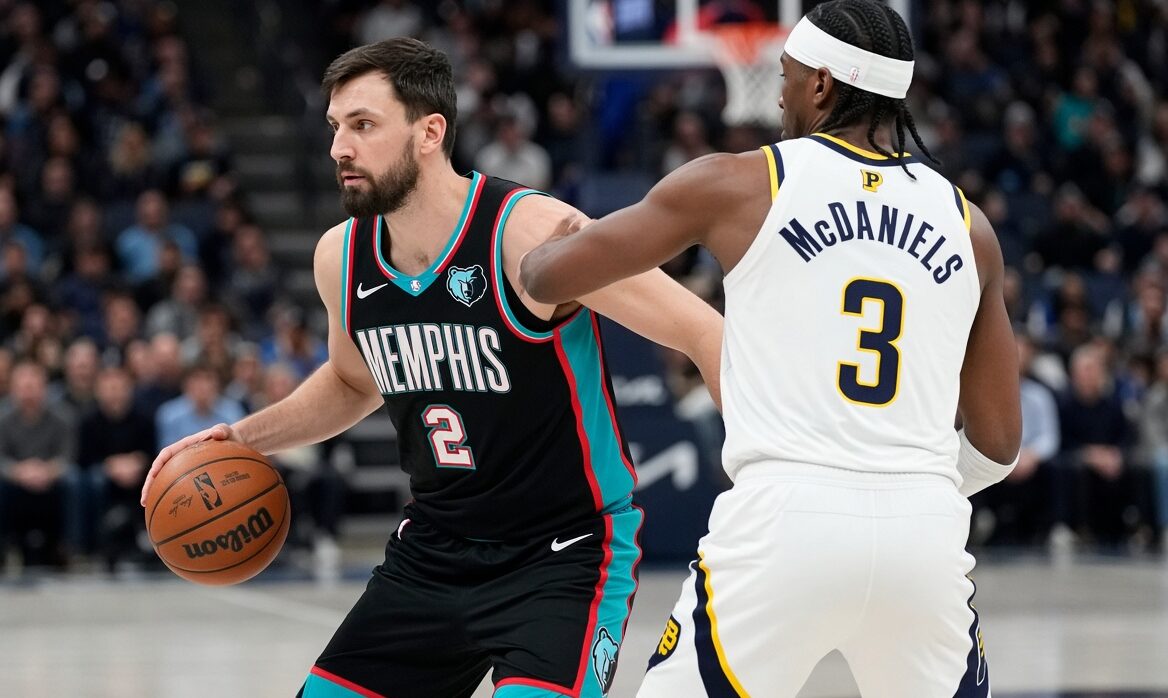
Memphis makes a clean geographic case. The city sits further east than Minneapolis and falls within 600 miles of five Eastern Conference teams: the Charlotte Hornets, Atlanta Hawks, Indiana Pacers, Chicago Bulls, and Milwaukee Bucks. That proximity would ease travel burdens for the Grizzlies and those opponents alike. Memphis also brings longer-term roster appeal to the argument. While the Timberwolves are the stronger team right now, their core of Anthony Edwards, LaMelo Ball, Jaden McDaniels and Ayo Dosunmu are all in their mid-20s on market-rate deals, and Rudy Gobert is 34. The team also has almost no first-round draft capital to work with. The Grizzlies, by contrast, hold a significant draft surplus, and their top players, Cameron Boozer, Cedric Coward, and Zach Edey, are still on rookie contracts.
Minnesota’s case leans more on scheduling geometry and star power. The Timberwolves’ proximity to Milwaukee, Chicago, and Indiana creates a natural four-team divisional pod, and the rest of a 16-team Eastern Conference slots together neatly from there. There is also the matter of Edwards himself, one of the more marketable stars in the league. Moving him away from Victor Wembanyama and Shai Gilgeous-Alexander in the West, as the Knicks learned last June when they had to navigate that bracket, would give him a cleaner path to the NBA Finals. The NBA is a star-driven business, and that counts for something in these conversations.
On the other side of that argument, the Timberwolves have built real playoff rivalries in the West. Multiple recent series against Nikola Jokic and the Denver Nuggets, matchups against Luka Doncic, and a first-round clash with the Spurs last spring that included a Wembanyama ejection all suggest the league has a financial interest in keeping those matchups intact.
There is also a wilder option on the table: scrapping conferences entirely. The idea has circulated among fans for years, and expansion creates a rare window to test it. If a Las Vegas team is announced before a Seattle deal is finalized, the league could face a brief period with 31 franchises, which would make balanced conferences temporarily impossible anyway. The reported target for expansion teams to begin play is the 2028-29 season, though the timeline depends heavily on how quickly Seattle’s bidding process moves. A conference-free playoff format, seeded purely by record, would solve the fairness problem entirely, even if getting Eastern Conference owners to vote away their easier path to the postseason would be a significant lift.
None of this is settled. But the West is getting more crowded, and both Memphis and Minnesota have already done the math.