The 24-Team CFB Playoff Is Slowly Killing Rivalry Week
The expanded College Football Playoff is draining the stakes from rivalry games, turning century-old traditions into little more than seeding exercises.

The 24-team College Football Playoff is quietly gutting the most important weekend on the college football calendar.
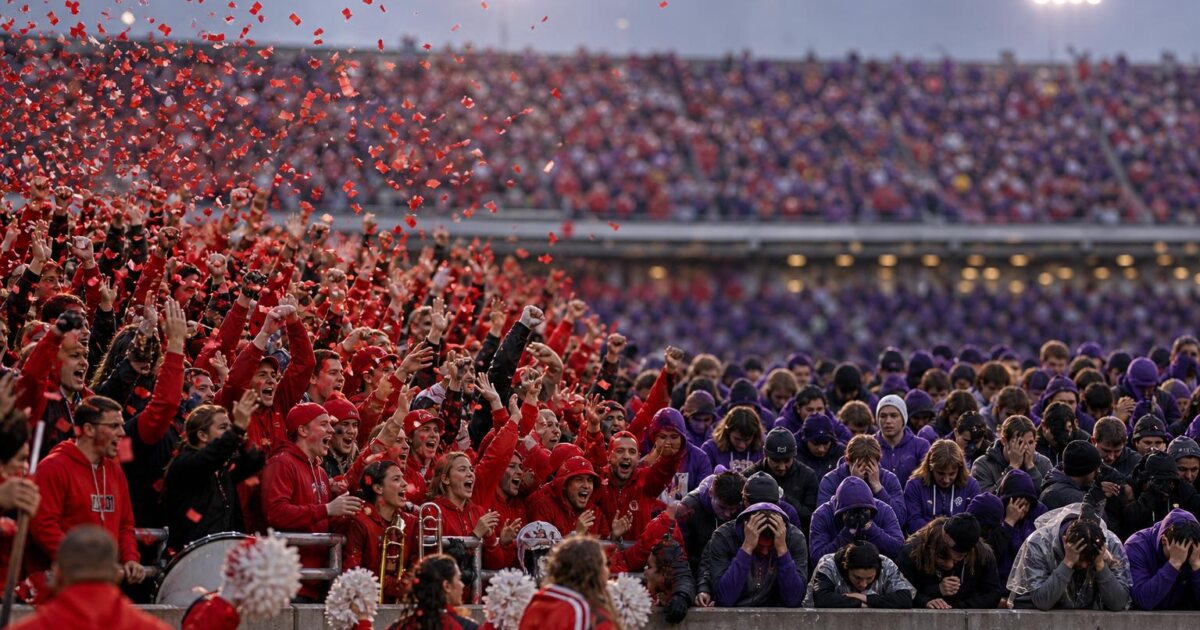
Rivalry week used to mean something. The Game. The Iron Bowl. Clean Old-Fashioned Hate. These weren’t just games on a schedule, they were the whole point. Win and you wrecked your rival’s season. Lose and you spent the next twelve months hearing about it. The stakes were existential in a way that made November Saturdays feel different from every other Saturday.
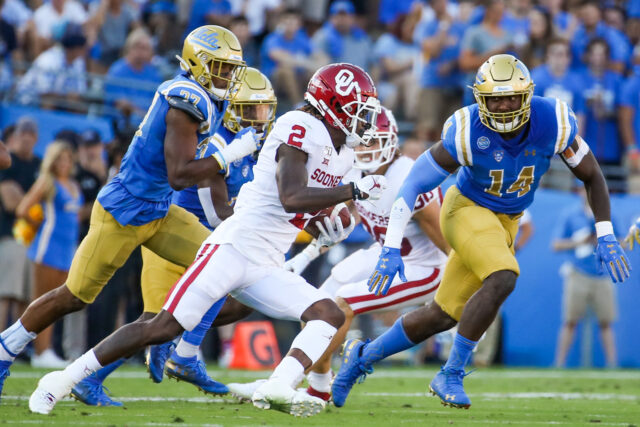
That’s largely gone now, as Yahoo Sports reported in its breakdown of how the expanded playoff changes rivalry week. With 24 teams in the mix, even a loss in the biggest rivalry game of the year costs a contender only a few bracket spots. Of the ten or so rivalry matchups this weekend carrying playoff implications, only one, USC-UCLA, comes close to a true loser-goes-home situation. The rest are high-stakes in name only.
The math is brutal in its simplicity. When almost a quarter of the sport qualifies for the postseason, it becomes nearly impossible for a rivalry upset to actually eliminate anyone who matters. Indiana-Purdue, Oregon-Washington, Texas Tech-TCU, Tennessee-Vanderbilt. These are games that could produce upsets, but under a 24-team format none of them will carry the elimination weight they would have carried before. That changes what it feels like to watch them.
The revenue logic driving this is easy enough to follow even if it’s hard to respect. More teams means more games, and more games means more money, regardless of whether those teams deserve to be there. Under the expanded format, four-loss programs like Ole Miss and Florida would potentially be competing in the postseason mix, stumbling in off a rough year because the bracket is wide enough to absorb them. Rivalry games now rank behind five rounds of playoff games in terms of actual weight, and everyone involved knows it.
Then there is the tradition question, which turns out to be even shakier ground than it sounds. Conference realignment has already cost fans Oregon-Oregon State, Oklahoma-Oklahoma State, Washington-Washington State, and Texas-Texas A&M in their traditional Thanksgiving week slots. The Iron Bowl has been played for more than a century. Georgia and Georgia Tech have been playing Clean Old-Fashioned Hate for just as long. Alabama has won six straight Iron Bowls and Georgia eight straight Hates, which means both games have been lopsided lately, which also means both are theoretically vulnerable to the right financial offer.
Georgia Tech already moved last year’s version of Hate to Mercedes-Benz Stadium in exchange for a $10 million payday. If the number on the table were $20 million to shuffle the schedule a little earlier in the year, the schools would still play. The rivalry would just quietly stop being what it was.
That’s the real cost of letting playoff expansion drive every decision in the sport. Everything bends toward the bracket, and anything that doesn’t serve the bracket tends to get moved, diluted, or quietly retired. College football hate is still free, for now. The tradition it runs on is a little less secure every year.